
Your vehicle’s transmission plays a critical role in delivering power from the engine to the wheels. It controls how the vehicle shifts gears and ensures the engine operates efficiently at different speeds. When the transmission begins to develop problems, the vehicle may show several warning signs that should not be ignored.
Transmission issues often start with small symptoms such as delayed shifting, unusual noises, or fluid leaks. Over time, these problems can become more severe and lead to costly repairs or complete transmission failure. Recognizing early warning signs can help drivers prevent more serious damage and keep their vehicles running smoothly.
Understanding what signs indicate transmission problems can help drivers act quickly and avoid unexpected breakdowns. If your vehicle begins showing transmission symptoms while driving in Chicago, IL, having it inspected by Mobile Mechanics of Chicago can help identify the issue and restore proper performance.
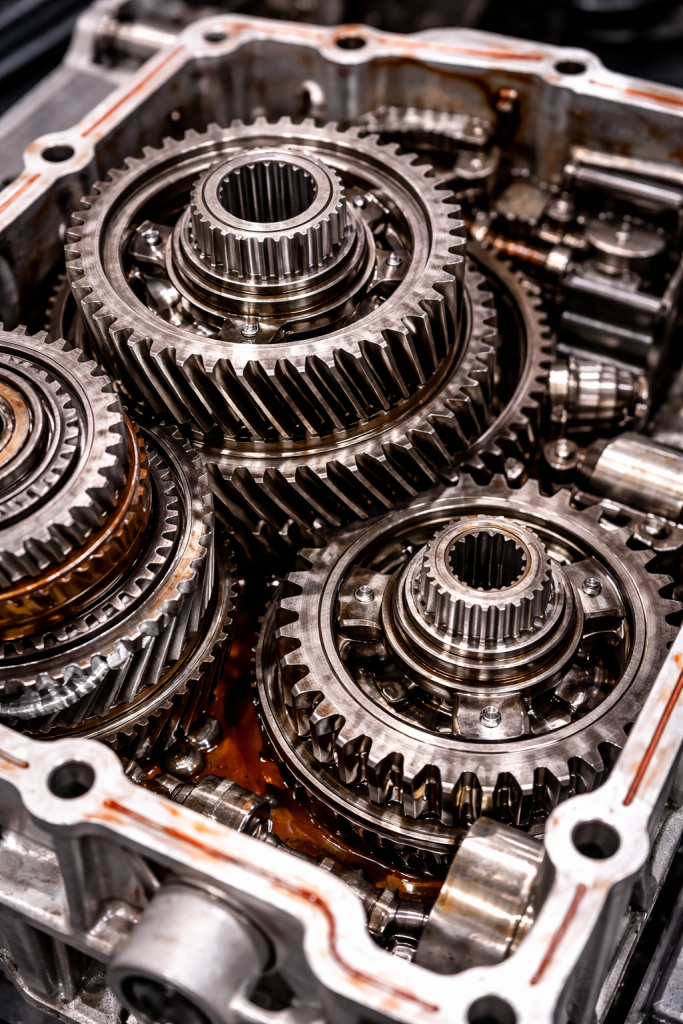
How the Transmission System Works
The transmission controls how engine power is delivered to the wheels by adjusting gear ratios as the vehicle accelerates or slows down. This allows the engine to operate efficiently across different driving conditions.
Vehicles typically use one of two main transmission types:
- Automatic transmission
- Manual transmission
Automatic transmissions rely on hydraulic pressure, sensors, and electronic control modules to shift gears automatically. Manual transmissions require the driver to engage and disengage gears using the clutch and gear shifter.
Both systems depend on several components working together, including:
- Transmission fluid
- Gears and clutch packs
- Solenoids and sensors
- Transmission control modules
When any of these components begin to fail, transmission problems may develop.
Common Signs of Transmission Problems
Delayed or Rough Gear Shifting
One of the most noticeable signs of transmission trouble is delayed or rough gear changes. Drivers may notice the vehicle hesitating before shifting or shifting with a sudden jerk.
This issue can be caused by low transmission fluid, worn clutch components, or problems with transmission sensors.
Transmission Slipping
Transmission slipping occurs when the vehicle changes gears unexpectedly or struggles to stay in gear. Drivers may notice the engine revving higher than normal without a corresponding increase in speed.
This often indicates worn transmission components or low fluid pressure.
Unusual Noises When Shifting
Grinding, whining, or clunking noises during gear changes can indicate internal transmission wear.
Manual transmissions may produce grinding noises if the clutch or synchronizers are worn, while automatic transmissions may produce whining or humming sounds if internal components begin to fail.
Burning Smell
A burning smell coming from the vehicle may indicate overheated transmission fluid. When transmission fluid overheats, it loses its ability to lubricate internal components effectively.
This can lead to accelerated wear and transmission damage.
Transmission Fluid Leaks
Transmission fluid is typically red or reddish-brown in color. If you notice fluid leaking under your vehicle, it may indicate a damaged seal, gasket, or transmission line.
Low transmission fluid levels can cause shifting problems and overheating.
Dashboard Warning Lights
Modern vehicles are equipped with sensors that monitor transmission performance. If a problem is detected, the vehicle may trigger warning lights such as:
- Check engine light
- Transmission warning indicator
These warning lights should always be inspected promptly.
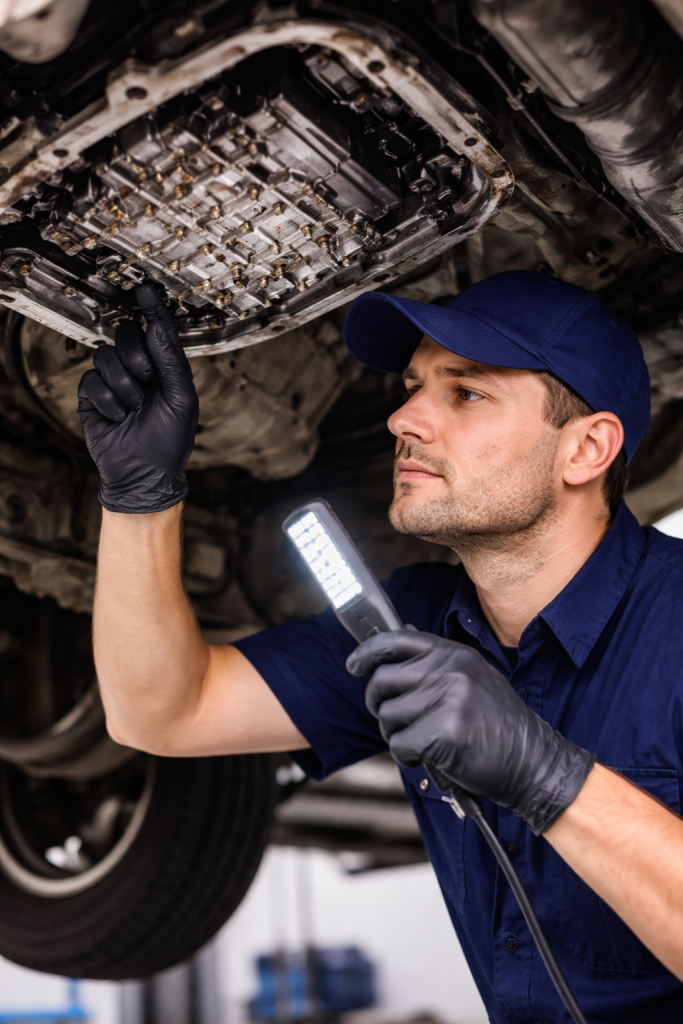
What Causes Transmission Problems?
Several factors can contribute to transmission failure over time.
Common causes include:
- Low or contaminated transmission fluid
- Worn clutch components
- Faulty transmission sensors
- Overheating transmission fluid
- Lack of routine maintenance
Transmission systems rely heavily on proper lubrication and fluid pressure, so maintaining correct fluid levels is essential for long-term performance.
Is It Safe to Drive With Transmission Problems?
Driving with transmission issues can lead to more severe mechanical damage if the problem is ignored. In some cases, the transmission may suddenly fail, leaving the vehicle unable to move.
If the vehicle shows symptoms such as slipping, delayed shifting, or unusual noises, it is best to schedule an inspection as soon as possible.
Early diagnosis can often prevent costly repairs and extend the life of the transmission.
How Mobile Mechanics of Chicago Can Help
Transmission problems can be difficult to diagnose without proper tools and experience. Mobile Mechanics of Chicago can inspect your vehicle at your location and identify the cause of transmission issues.
Mobile mechanic services may include:
- Transmission fluid inspection and replacement
- Diagnostic testing for transmission sensors
- Clutch system inspections
- Transmission performance evaluation
- General drivetrain diagnostics
On-site service allows drivers to resolve vehicle problems quickly without needing to visit a repair shop.
Tips to Help Prevent Transmission Problems
- Check Transmission Fluid Regularly – Maintaining proper fluid levels helps ensure smooth gear shifting and prevents overheating.
- Follow Recommended Maintenance Intervals – Routine servicing helps protect transmission components from premature wear.
- Avoid Aggressive Driving – Rapid acceleration and harsh gear changes can increase stress on the transmission system.
- Address Small Problems Early – Unusual noises or shifting issues should be inspected promptly before they develop into larger repairs.
Preventive maintenance helps extend the life of the transmission and improve vehicle reliability.
Transmission problems can significantly affect how your vehicle performs and may lead to costly repairs if ignored. Symptoms such as rough shifting, transmission slipping, unusual noises, or fluid leaks often indicate that the transmission requires attention.
Recognizing these warning signs early and scheduling a professional inspection can help prevent more serious mechanical issues. If your vehicle begins showing signs of transmission trouble in Chicago, IL, diagnosing the problem quickly can help restore smooth and reliable driving performance.
If your vehicle shows signs of transmission problems, Mobile Mechanics of Chicago can diagnose the issue and perform repairs at your location. On-site service makes it easier to address transmission problems quickly and keep your vehicle running safely.